
The advantages and disadvantages of living in the city

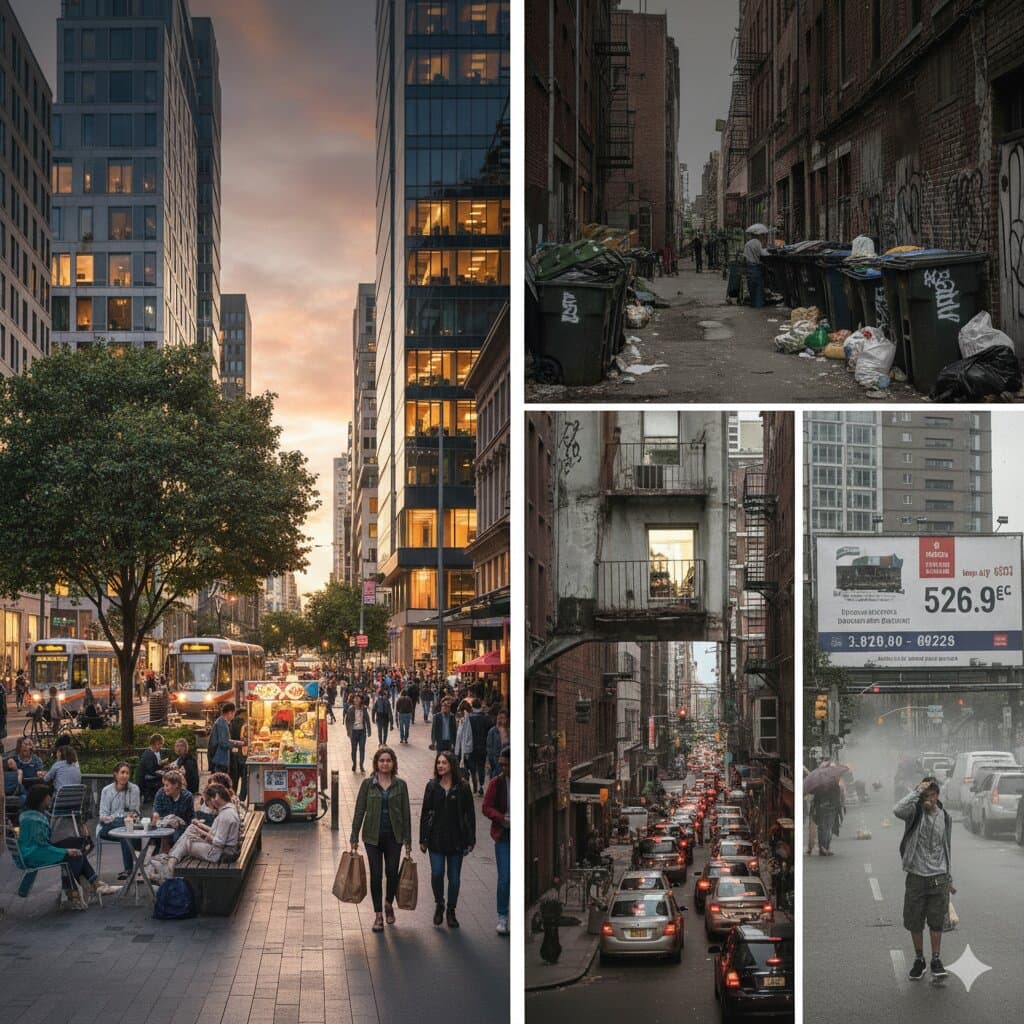
Anyone looking for a home today often faces a clear-cut choice: do you go for city life, or do you opt for the peace and quiet of the countryside? The question of the advantages and disadvantages of living in the city is particularly relevant in Belgium right now, especially as mobility, energy prices and working patterns are evolving so rapidly. Living in the city means more than simply being close to everything; it has a real impact on your budget, your quality of life, your leisure time and the potential added value of your property. In this guide, we look at the main pros and cons of urban living from the perspective of a Belgian homeowner, buyer or investor.
Why cities continue to attract so many people
Cities such as Brussels, Antwerp, Ghent, Leuven and Liège remain a magnet for young starters, expats and investors. That is no coincidence. They concentrate jobs, amenities and culture within a small area. When thinking about the advantages and disadvantages of living in the city, it is best to start at the core: what does it actually give you on a day-to-day basis?
In an urban setting, you often have less space inside your home, but you gain in infrastructure and opportunities right outside your door. Many residents experience the city as an extension of their living space: bars and restaurants become their "extra living room", parks and squares their "garden", and coworking spaces their "home office". That makes the trade-off less black and white than simply "small apartment versus large house".
Advantages of living in the city
1. Proximity to work, schools and amenities
One of the greatest advantages in the list of advantages and disadvantages of living in the city is proximity. In the city, you live closer to:
- jobs and business activity
- schools, colleges and universities
- hospitals, GPs and other healthcare services
- shops, restaurants and services
That means less time in the car or on the train and more time for yourself. For families, the difference between daily traffic jams and a short cycle ride to school and work can be enormous. Landlords also notice that tenants are willing to pay more for that proximity.
✦ 100% free & No obligation
Sell your property with the best agent
Compare the top 3 agents in your region for free and save on commission.
Compare agents →2. Excellent mobility and public transport
Urban areas generally have better public transport: buses, trams, metros and trains often connect seamlessly. As a result, you can live perfectly well without a car - or with a smaller fleet - which lowers your fixed costs and makes you less dependent on fuel prices.
Cities are also better equipped for "soft mobility": cycling infrastructure, shared scooters, car-sharing, taxis with short waiting times. For buyers and investors, good transport links are a structural asset, as they strengthen both the rental appeal and the resale value of a property.
3. Culture, dining and social dynamism
Living in the city means having theatres, cinemas, concert halls, museums, festivals, lively cafés and restaurants right on your doorstep. When weighing up the advantages and disadvantages of living in the city, the importance of that constant dynamism should not be underestimated.
For many people, it is inspiring to live in an environment where there is always something happening, where new concepts are being tried out and where you meet people from all walks of life. Particularly for singles, young couples and internationals, that social dimension weighs heavily in their housing choice.
4. Capital growth and rental potential
Urban property markets are often more liquid: there is greater demand, more transactions and a larger pool of potential buyers and tenants. Over the longer term, that can translate into:
- a higher price per square metre
- a greater chance of capital growth on sale
- a more stable rental yield
For investors, this is one of the clear advantages within the advantages and disadvantages of living in the city. A well-located city apartment close to public transport, schools and shops generally remains easy to let, even when the market temporarily softens.
Disadvantages of living in the city
1. Higher purchase and rental prices per m²
The flip side of that high demand is, of course, the price. In popular city neighbourhoods, you pay a higher price per square metre than in surrounding municipalities. That means that for the same budget, you will often live in a smaller space than outside the city. For first-time buyers, the entry threshold can therefore be higher.
Registration duties, notary fees and any renovation costs are also proportionally higher when you start from a higher base price. When weighing up the advantages and disadvantages of living in the city, you should therefore look at the total cost: purchase price, monthly mortgage repayment, syndic fees for apartments, and any extras such as parking.
2. Less space and less outdoor green space
A city location often means:
- less interior space (smaller bedrooms, more compact living areas)
- a limited or non-existent private garden
- outdoor space mainly in the form of a balcony or terrace
Those who love spacious living, want their children to play outside freely or enjoy large gardening projects will feel this as a clear disadvantage. Parks and public green spaces provide some compensation, but always require a short trip and you share the space with others. For families or people with pets, this can be an important drawback.
3. Noise, hustle and less privacy
Cities are by definition busier: more traffic, more people, more noise. Noise levels and lack of privacy are among the most frequently cited disadvantages in the debate over the advantages and disadvantages of living in the city. Think of:
- street noise (traffic, sirens, bars and restaurants)
- neighbours above, below and beside you
- less of a buffer between your home and the outside world
Soundproof glazing, good insulation and a well-thought-out layout can absorb a great deal of this, but it remains something you need to factor in. Those who work from home a lot or need quiet will need to make a conscious choice for a calmer neighbourhood or an apartment with sufficient acoustic quality.
4. Parking pressure and limited private parking
In many Belgian cities, parking is a real challenge. On-street parking spaces are scarce and expensive, and private spaces in a building or underground car park represent a significant additional cost. People coming from outside the city sometimes underestimate this.
For residents, this means:
- extra time lost searching for a parking space
- additional costs for a residential parking permit or a garage space
- the need to think more critically about the usefulness of a second car
For buyers, an included parking space often represents significant added value when renting out or reselling, but also a higher entry price.
Cities in Belgium: very different profiles
Within Belgium, there are major differences between cities. Brussels, Antwerp, Ghent, Leuven, Bruges, Liège and Namur each have their own dynamic, price level and target audience. When weighing up the advantages and disadvantages of living in the city, you should therefore not only compare "city versus countryside", but also compare cities with one another.
- University cities attract large numbers of students, which is interesting for investors.
- Capital cities and regional centres concentrate more jobs and international companies.
- Tourist cities have a specific rental demand and sometimes stricter rules around short-term letting.
The micro-location within the city is at least as important: a home near a park, a tram or metro stop, but just outside the busiest bar and restaurant zones, often combines many advantages with relatively limited drawbacks.
For whom is city living most appealing?
When you draw up the balance of the advantages and disadvantages of living in the city, a clear profile emerges of those who generally feel at home in an urban environment:
- young singles and couples who value mobility and social dynamism
- expats and knowledge workers who want to live close to work and amenities
- investors targeting rental to students, young professionals or expats
- people who consciously want to live smaller, but richer in experience and amenities
On the other side are profiles that often benefit more from a home outside the city, with more space and peace - for example larger families or people who are specifically looking for quiet.
How do you make the right choice for your situation?
The answer to the question of the advantages and disadvantages of living in the city is ultimately personal. A few practical questions can help you sharpen your thinking:
- How important is saving time on commuting for you and your family?
- Do you really need a lot of indoor and outdoor space, or can you live more compactly?
- How sensitive are you to noise and hustle?
- How much budget do you have, and are you willing to trade space for location?
- Do you want to be able to rent out or resell easily later on?
If you are torn between a city home and a property outside the city, it is worthwhile not only to reason it through rationally, but also to test it in practice: consider renting for a year in the city first, or spend time regularly in the neighbourhood where you are thinking of buying.
Would you like to know concretely what your current home - in or outside the city - is worth, and how a move to the city would affect your budget and options? An objective valuation can help you make up your mind. Through a free valuation by a local expert, you get a clear picture of the sale value of your current property and the achievable price range for a city home, so that you can make a well-informed choice between the advantages and disadvantages of city living.
Frequently asked questions
Why do city properties tend to hold their value well?
Urban property markets have greater demand, more transactions and a larger pool of potential buyers and tenants. A well-located city apartment close to public transport, schools and shops generally remains easy to let, even when the market temporarily softens.
What hidden costs should I factor in when buying a city apartment?
Beyond the purchase price and monthly mortgage repayment, you should account for syndic fees, notary fees, registration duties, renovation costs, and parking - whether that is a residential permit or a private garage space.
Is it realistic to live in a Belgian city without a car?
Yes, urban areas generally have better public transport with buses, trams, metros and trains that connect seamlessly. Cities are also better equipped for cycling infrastructure, shared scooters and car-sharing services.
Which Belgian cities are most interesting for property investors?
Brussels, Antwerp, Ghent, Leuven, Bruges, Liege and Namur each have their own dynamic and price level. University cities attract large numbers of students, while capital cities and regional centres concentrate more jobs and international companies.
What are the main drawbacks of buying a home in the city?
The main disadvantages are higher prices per square metre, less living space with little or no private garden, noise and limited privacy, and significant parking pressure. For families or people with pets, the lack of outdoor space can be a particular drawback.
"Real estate expert focused on quality control and strategic partnerships."