
How to sell my house: a step-by-step guide for Belgian sellers

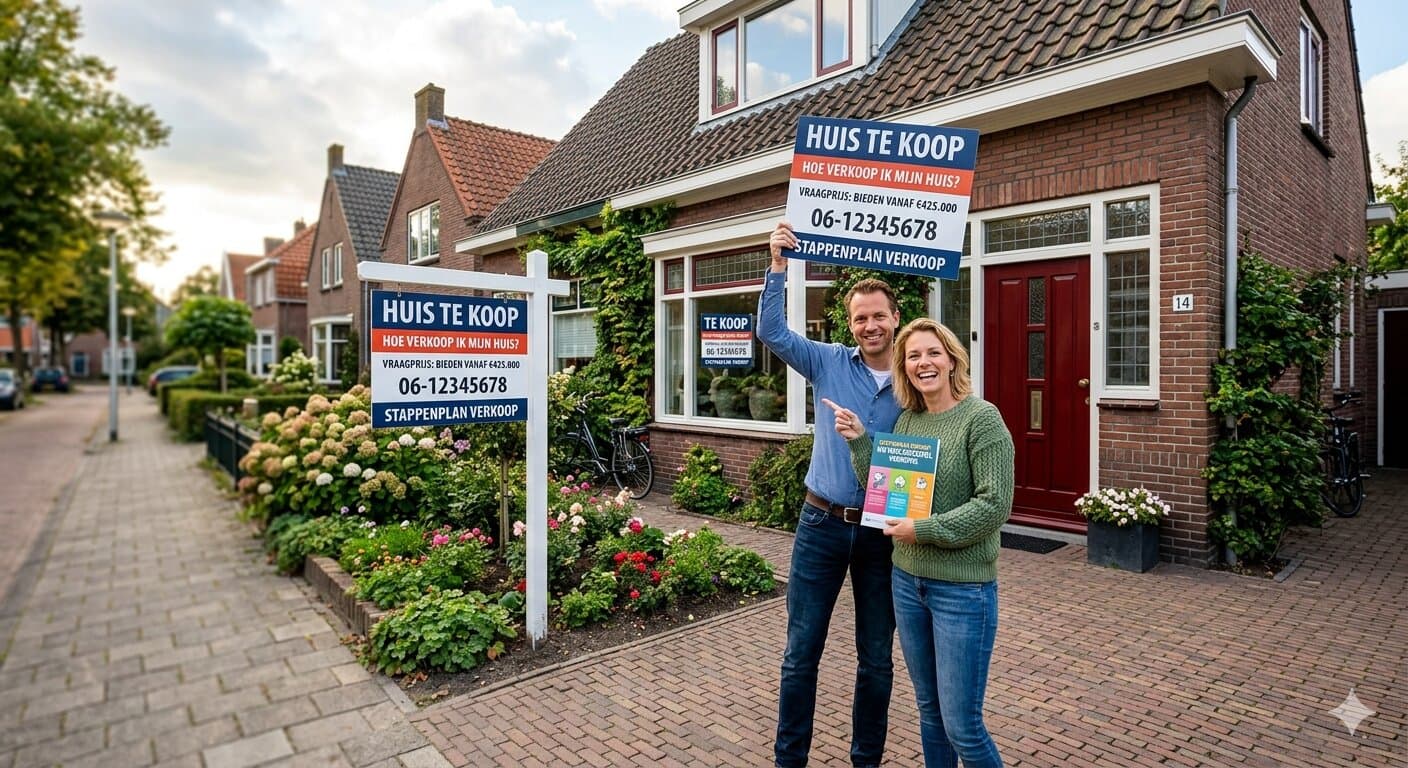
Selling a house starts with solid preparation, because anyone who tackles the question how to sell my house the right way avoids stress, wasted time and a misjudged asking price. In Belgium, a smooth sale is not just about having an attractive property - it also comes down to the right paperwork, a realistic price and a clear sales process. Getting all of that right from the outset significantly increases the chances of a quick and successful sale.
The question is therefore not only how to find a buyer, but also how to organise the process intelligently from a legal and financial point of view. That matters more than ever today, because prospective buyers are better informed and compare options more quickly. As a result, your sales strategy has become almost as important as the property itself.
First preparation
Before you put your property on the market, you need to know what condition it is in and which documents you will need. Think of the title deed, the mandatory certificates and all the information you will later have to present to buyers. In Belgium, regulations also require that certain information be included in any sale advertisement, so that buyers have greater certainty about the property from the outset.
It is also wise to get the property visually ready for sale. Small repairs, a tidy appearance and good-quality photos can make the difference between interest and hesitation. A neat presentation also helps you position your home at a higher quality level without having to make major investments straight away.
Value and asking price
Setting the right price is one of the most important steps when you want to know how to sell your house. The asking price must reflect the market value, but also your sales objective: selling quickly, leaving room for negotiation or creating a strong starting position. Pitching too high often costs you time and interest; starting too low risks leaving money on the table.
✦ 100% free & No obligation
Sell your property with the best agent
Compare the top 3 agents in your region for free and save on commission.
Compare agents →It is therefore best to begin with an objective valuation. You can use several sources for this: recent sales in the area, an estate agent, a notary or a certified valuer. If you are still unsure about the right market position for your property, a free valuation can be a good first step.
Choosing the sales method
In Belgium there are several ways to sell a property. The most common method is the private sale, whereby buyer and seller agree on a price and conditions through a preliminary sales agreement - known as a compromis de vente. This route is flexible and is by far the most widely used for private residential sales.
There is also the public sale, which is conducted entirely through a notary. This approach can be worthwhile in specific situations - for example when transparency is particularly important or when a different type of sale better suits the circumstances. For most families, however, the private sale remains the most practical route.
Documents in order
Anyone asking themselves how to sell my house should not underestimate the paperwork involved. The title deed is the starting point, but it rarely ends there. You will also need the necessary certificates and documents to inform the buyer correctly and to avoid delays further down the line.
In practice, this typically includes information on the energy performance certificate, any required inspections, planning data and other mandatory documents. The better prepared your file is, the more smoothly the negotiations will go. A complete dossier also inspires confidence in prospective buyers, which improves your chances of selling.
Promotion and reach
Once the property is ready for sale, you need to become visible to the right target audience. That means strong photos, a clear description and listings on the right channels. Your property must not only be found - it must also come across as credible and appealing.
Many sellers underestimate how important presentation is. A good listing does not only highlight the property's strengths; it also makes it immediately clear who the property is suited for. Think of families, first-time buyers, single occupants or investors - each profile looks at the same property through a different lens. It is therefore worth tailoring your communication to your target audience.
Selling yourself or through an agent
A frequently asked question is whether to sell on your own or to work with a professional. Selling privately can save on costs, but it also demands time, knowledge and follow-through. You have to handle not only the pricing, but also the listing, viewings, negotiations and all the administrative work.
An estate agent takes many of those tasks off your hands and can at the same time help you position the property correctly in the market. Especially if you have little experience with property sales, that can make a real difference in terms of speed and outcome. If you want to compare which approach suits you best, it pays to first compare estate agents before making your choice.
Negotiating with buyers
Once interested parties come forward, the real work begins. How you respond to offers, questions and conditions often plays a decisive role in the success of the sale. A good negotiation does not automatically mean choosing the highest bidder; sometimes the certainty of financing, the timing or the speed of completion matters just as much.
It is therefore important to know in advance which conditions are acceptable to you. Are you willing to be flexible on the handover date? Will you accept an offer subject to conditions? These decisions need to be clear before negotiations begin. That way you keep the process manageable and avoid impulsive choices.
Preliminary agreement and notary
After reaching an agreement, the next step is usually the preliminary sales agreement - the compromis de vente. This document sets out the price, conditions and timeline and is legally binding in Belgium. The file then moves to the notary for the notarial deed, which is the official conclusion of the sale.
The notary checks that the transfer of ownership takes place correctly and ensures that all conditions have been met. In a standard sale this is a logical step, but it does require that all information is accurate from the start. The fewer errors there are at the beginning, the smaller the risk of delays later on.
Common mistakes
One of the biggest mistakes is starting without a clear pricing strategy. Sellers who overvalue their property attract less interest and sometimes leave the home on the market for too long. The listing loses its impact before a single serious offer even comes in.
A second mistake is incomplete documentation. Without the required certificates or data, a sale can be delayed or cause unease among buyers. Poor photos or a sloppy presentation also damage your chances of selling more than many owners realise. In property, trust is often formed - or lost - within the first few seconds.
Sales planning in practice
A well-managed sale generally follows a logical sequence. You start by estimating the value and gathering the documents. Then you prepare the property, choose the sales method and publish the listing. Viewings, negotiations, the preliminary agreement and finally the notarial deed all follow in turn.
Approaching these steps in a structured way keeps you in control of the process. You can also make adjustments more quickly along the way if the asking price turns out to be too high or the presentation too weak. That makes the sale not only more efficient, but also less stressful.
Why timing matters
The moment you choose to sell also plays a role. In a market where buyers compare more and have become more discerning, your property needs to be sharply positioned. A prolonged listing period with little interest can lower the perceived value of the property, even if the home itself is genuinely strong.
That is why timing is about more than just choosing the right season. It is also about the condition of the home, the completeness of your file and the right price at the right moment. Sellers who handle this intelligently generally sell with less pressure and better negotiating room.
Conclusion
If you are wondering how to sell my house without making unnecessary mistakes, start with a realistic assessment of the market and solid preparation. Request a free valuation today and take the first step towards a smooth sale.
Frequently asked questions
What documents do I need to sell my house in Belgium?
You need at least your title deed, an energy performance certificate, planning data and any other mandatory inspection certificates. Having a complete file ready before listing your property helps negotiations run more smoothly and builds confidence with buyers.
What is a compromis de vente?
A compromis de vente is a preliminary sales agreement between buyer and seller that sets out the agreed price, conditions and timeline. It is legally binding in Belgium and comes before the final notarial deed.
Should I sell my house privately or use an estate agent?
Selling privately can save on costs, but requires you to handle pricing, listings, viewings, negotiations and all administrative work yourself. An estate agent takes many of those tasks off your hands, which can make a real difference in speed and outcome - especially if you have little experience with property sales.
How do I set the right asking price for my property?
Start with an objective valuation based on recent sales in the area, and consider consulting an estate agent, notary or certified valuer. Pricing too high reduces interest and keeps your property on the market too long, while pricing too low risks leaving money on the table.
What are the most common mistakes sellers make in Belgium?
The two most common mistakes are starting without a clear pricing strategy and having incomplete documentation. Poor photos or a sloppy presentation can also seriously damage your chances, as buyers often form their first impression within seconds.
"Real estate expert focused on quality control and strategic partnerships."