
Selling a house: what are your obligations as a seller?

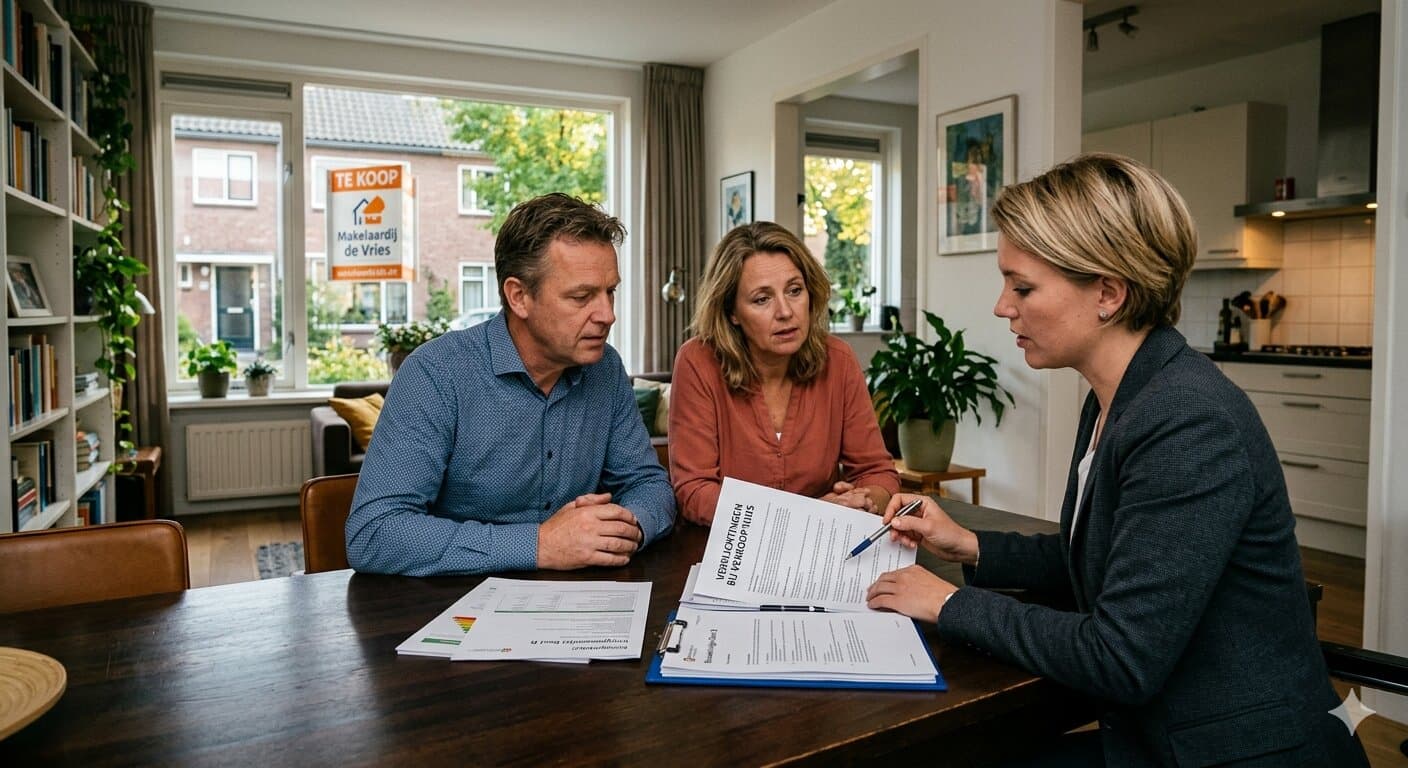
Selling a house is about much more than putting up a sign in the garden and waiting for offers. As a seller in Belgium, you have a number of legal obligations. You must be able to provide various certificates and documents, and correctly inform the buyer about the condition of the property and the land. Without these documents, the notary simply cannot complete the sale.
1. Mandatory certificates and documents
When selling a property in Belgium, a range of mandatory certificates is required. In practice, these include at a minimum:
- Energy Performance Certificate (EPC): shows how energy-efficient your property is. Mandatory for every sale and must already be available when the listing is published.
- Asbestos certificate: mandatory for buildings for which the building permit was issued before 2001. It gives an overview of any asbestos-related risks.
- Soil certificate: mandatory when selling any plot or building, in order to identify possible soil contamination. The competent body differs by region.
- Electrical installation inspection: mandatory for installations beyond a certain age (the exact threshold varies by region). The report must be available, even if the installation is not compliant.
- Urban planning information / extract: information about permits, the designated use of the property and any planning infringements.
- Cadastral data and proof of ownership: proof that you are the owner (notarial deed, cadastral extract).
- Post-intervention file (PID): mandatory for properties built or thoroughly renovated after 1 May 2001.
Depending on the property, additional documents may be required, such as certificates relating to a heating oil tank, a flood risk report and, for apartments, documents relating to co-ownership.
2. Duty to inform and disclose
Beyond certificates, you also have a duty to inform: you must provide the buyer with complete and accurate information.
The key elements are listed below.
✦ 100% free & No obligation
Sell your property with the best agent
Compare the top 3 agents in your region for free and save on commission.
Compare agents →- Known defects: you must honestly disclose all defects you are aware of (for example structural problems, damp or issues with stability).
- Flood risk: flood risk information must be communicated so that the buyer is fully aware of the risks.
- Heritage status, uninhabitability or change of use: if the property is listed or has been declared uninhabitable, this must be clearly stated.
If you conceal important information, you risk disputes later on regarding hidden defects, or even legal proceedings in which the buyer seeks to have the sale dissolved.
3. Renovation obligation: the buyer renovates, but you must inform
For energy-inefficient properties (for example those with a poor EPC rating), Flanders has introduced a renovation obligation for the buyer: within a set period, the property must be upgraded to a better energy performance level. Wallonia and Brussels impose no such obligation on buyers today. In Wallonia, a draft plan provides for one for purchases from 2028, but that calendar still has to be confirmed in legislation. In Brussels, every private home must reach PEB 275 (currently class E or better) by 1 January 2033, whether or not it is sold.
As the seller, you are required to:
- correctly inform the buyer about this obligation;
- have the renovation obligation included in the sales agreement (compromis de vente).
It is therefore the buyer who decides on the renovation works, but they cannot be caught off guard by additional obligations they were unaware of.
4. Mandatory information in your listing
Even in your online listing, you are required to include certain information.
This includes:
- the EPC label and EPC value;
- flood risk information;
- any relevant urban planning notes or special statuses.
This allows prospective buyers to assess at an early stage whether the property suits their needs.
5. Additional obligations for apartments
If you are selling an apartment, additional documents relating to co-ownership are required:
- the most recent minutes of the general meeting of co-owners;
- the accounts and budget of the association of co-owners;
- the co-ownership rules and the basic deed;
- information on planned works and financial reserves.
These documents give the buyer a clear picture of the financial and practical health of the building.
6. What happens if you fail to meet your obligations?
If you sell a property without all the required documents, the consequences can be far-reaching:
- the notary cannot draw up the deed;
- the buyer can request a withholding or postponement;
- in extreme cases, the sale can even be declared void;
- you risk legal disputes and claims for damages.
This is why notaries and estate agents strongly recommend getting these certificates in order as early as possible in the sales process.
In summary
Selling a house comes with clear obligations: you must be able to provide a range of certificates (such as the EPC, asbestos, soil, electrical and urban planning documents), correctly inform the buyer about defects, risks and renovation obligations, and supply additional documents when selling an apartment. Preparing everything on time not only keeps the sale legally sound - it also prevents disputes and delays at the notary's office.
Frequently asked questions
Which certificates do I need to provide when selling my house in Belgium?
At a minimum, you need an Energy Performance Certificate (EPC), an asbestos certificate (for buildings with a permit issued before 2001), a soil certificate, an electrical installation inspection report, urban planning information, cadastral data, and a post-intervention file if applicable. Depending on the property, additional documents such as a flood risk report or heating oil tank certificate may also be required.
Do I have to tell the buyer about defects I know about?
Yes, as a seller you are legally required to disclose all known defects, such as structural problems, damp, or stability issues. Hiding this information can lead to disputes about hidden defects or even legal proceedings where the buyer seeks to have the sale dissolved.
What is the renovation obligation and do I need to handle it as a seller?
In Flanders, the renovation obligation requires the buyer to upgrade an energy-inefficient property to a better energy performance level within a set period. As the seller, your role is to inform the buyer about this obligation and have it included in the sales agreement - the actual renovation works are the buyer's responsibility. Wallonia and Brussels impose no such obligation on buyers today.
What happens if I try to sell without all the required documents?
If mandatory documents are missing, the notary cannot draw up the deed, the buyer can request a withholding or postponement, and in extreme cases the sale can be declared void. You also risk legal disputes and claims for damages.
Are there extra documents needed when selling an apartment?
Yes, when selling an apartment you must also provide documents related to co-ownership, including the most recent minutes of the general meeting, the accounts and budget of the association of co-owners, the co-ownership rules and basic deed, and information on planned works and financial reserves.
"Real estate expert focused on quality control and strategic partnerships."