
Selling a building plot as a private individual: steps, pitfalls and tax considerations

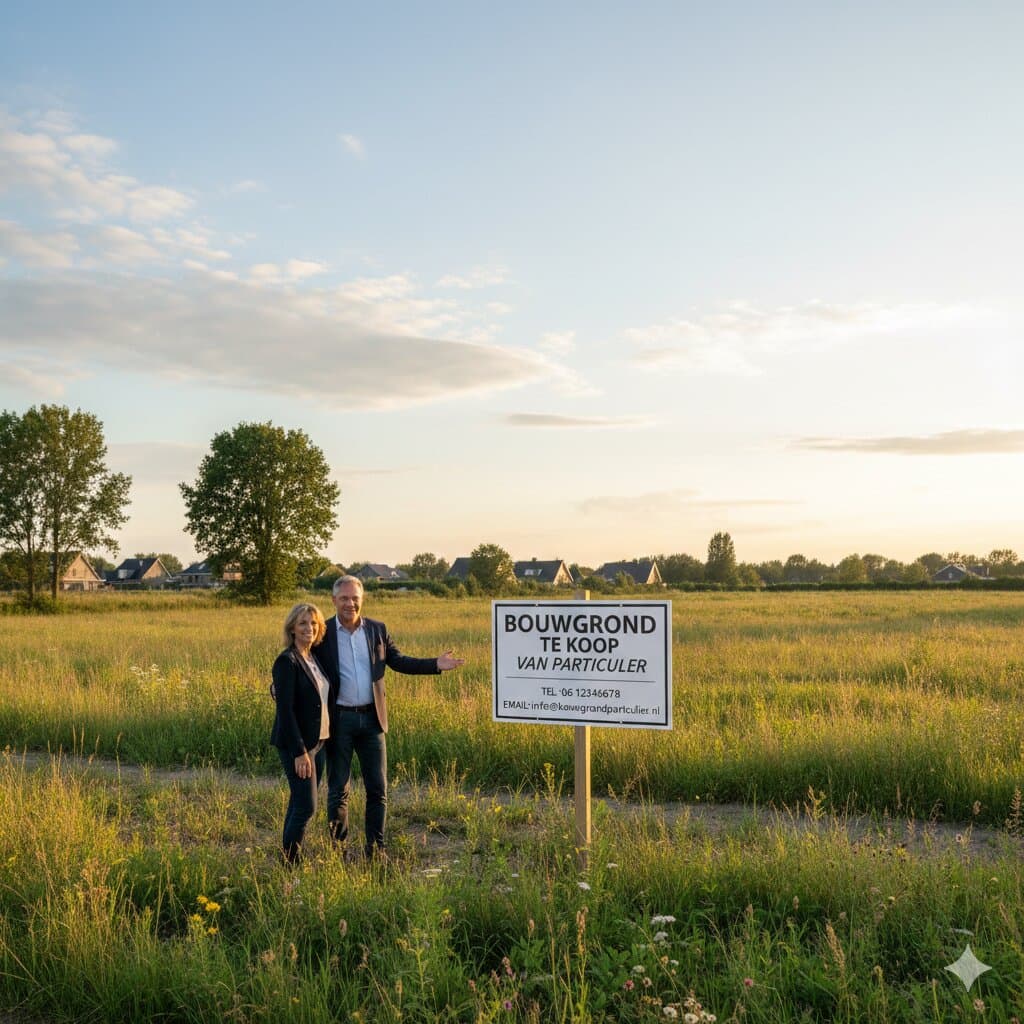
Anyone who owns a plot and wants to sell a building plot as a private individual quickly realises it involves far more than a roadside sign and an online listing. The value depends on land-use plans, subdivision rules and market demand, while you simultaneously need to watch out for tax consequences, legal pitfalls and negotiations with prospective buyers or property developers. In Belgium it is also important to establish upfront exactly what can be built on the land and which documents are mandatory - otherwise you risk losing time, money or more attractive offers.
1. What exactly is a "building plot" and why does it matter?
Not every empty piece of land is legally a "building plot". Before putting your land on the market as a private individual, you need to be clear about:
- whether the land has a residential designation in the applicable land-use plan or regional plan;
- whether subdivision rules apply (for example: maximum number of lots, building typology, building depth);
- whether there are restrictions due to flood risk, nature conservation or agricultural zoning.
When selling a building plot as a private individual, this question of land use is important because:
- it strongly affects the value (a high-density residential designation is worth far more than agricultural land);
- serious buyers, notaries and banks will scrutinise it regardless;
- you must not mislead buyers about building possibilities in your listings or during negotiations.
A buyer who discovers that your plot allows less than you implied will either walk away or dispute the sale at a later stage.
2. Determining the value: what is the best approach?
The first substantive question when selling a building plot as a private individual is usually: "What is it worth?" Unlike residential properties, there is no energy performance certificate, no comparable habitable square metres, and development potential plays a far greater role.
✦ 100% free & No obligation
Sell your property with the best agent
Compare the top 3 agents in your region for free and save on commission.
Compare agents →Key factors:
- Location: municipality, neighbourhood, accessibility, proximity to schools, shops and public transport.
- Size and shape: large or small lot, rectangular or irregular, corner plot.
- Access and connections: easy access to a public road, possibility of connecting to utilities (water, electricity, sewerage, telecoms).
- Permitted building density: single dwelling, multiple lots, apartment building or a (small-scale) development project.
- Condition of the land: presence of contamination, necessary levelling or ground stabilisation works.
As a private individual you can gather indications from comparable land sales in the area, but these are often less transparent than residential property transactions. That is why an objective valuation by a local expert is far from a luxury when you want to sell a building plot - especially if several interested parties or developers are involved. A well-judged asking price ensures you do not sell below value, but also that you do not set the bar so high that your land sits on the market for years.
3. Mandatory documents before listing for sale
When selling a building plot as a private individual, you need to gather a number of documents, just as you would when selling a house. These include:
- Title deed: the notarial deed proving that you are the owner.
- Cadastral data and plan: plot number, surface area, location; usually obtained via a cadastral extract.
- Soil certificate: in Flanders this is mandatory when transferring land, to provide information about possible soil contamination; equivalent obligations exist in Wallonia (via SPAQuE) and Brussels (via Brussels Environment).
- Urban planning information: designation, regulations, any subdivision permit, and whether the current situation is considered lawfully established.
- Any easements: rights of way, underground pipes, high-voltage lines, etc.
Anyone who sells a building plot as a private individual without these basic documents in order risks negotiations stalling, the sale agreement being delayed, or the buyer later claiming a price revision or damages. Gathering everything in good time speeds up the sales process and creates a professional impression.
4. Sell privately or through an estate agent / developer?
As a private individual you broadly have three routes for selling your building plot:
- Sell privately
You place your own advertisements, put up a sign on the land, organise viewings and negotiate directly with prospective buyers. This saves you the estate agent's commission, but requires time, knowledge of the file and negotiating skills. - Work with an estate agent
An agent helps you with valuation, marketing (professional photos, online exposure), screening of candidates and guidance through to the notarial deed. The cost is usually a commission on the sale price, but you gain in reach, expertise and peace of mind. - Sell to a property developer or professional buyer
Developers are often interested in well-located building plots, especially where multiple residential units are possible. They sometimes make a quick offer without a financing condition, but in return they typically try to buy as cheaply as possible. It is particularly important here to know what your land is worth, because the first offer is sometimes well below the potential value.
When selling a building plot as a private individual, this third option is tempting (quick deal, less hassle), but it is precisely here that the risk of undervaluation is greatest. An independent valuation or obtaining several competing offers can help you get a clearer picture.
5. Step-by-step plan: selling a building plot as a private individual
A structured approach avoids nasty surprises:
- Check the designation and regulations
Ask your local authority about land-use plans, subdivision conditions and any restrictions (flood risk areas, green zones, agricultural zones). - Have a valuation carried out
Gather comparable references and consider a valuation by a local expert. That way you know within which price range you can realistically pitch your asking price. - Gather the documents
Title deed, cadastral extract, soil certificate, urban planning information, and so on. Do this preferably before you actively start marketing the land. - Choose a sales strategy
Sell privately, through an estate agent, or negotiate with developers. Think about your priorities: maximum price, speed, minimum hassle, or a combination. - Marketing and viewing arrangements
Good photos, a clear description (surface area, designation, access road, utilities) and transparent information about the regulations. A site plan or aerial photograph helps prospective buyers see the potential. - Negotiate and draw up the preliminary agreement
Make clear arrangements on price, timelines (notarial deed, any conditions relating to a permit or subdivision) and any suspensive conditions (for example obtaining a planning permit). - Notarial deed and handover
The notary arranges the transfer of ownership, checks the documents and ensures the buyer pays and that you are lawfully released as owner.
6. Tax considerations for private individuals
When selling a building plot as a private individual, it is worth thinking about taxes too:
- In many cases the sale of privately held land falls under "normal management of private assets" and no VAT is due.
- In the case of a quick resale (for example reselling land within a certain period after purchase) or where the transaction has a speculative character, a capital gains tax may be due, depending on the circumstances and the time elapsed.
- Anyone who behaves very actively like a developer (parcelling out land, providing access roads, promoting it, etc.) risks being treated by the tax authorities as a professional or a VAT-registered trader, with potentially 21% VAT on the sale and other consequences.
Because the line between normal private management and "acting as a professional" is not always crystal clear, it is wise to seek tax advice for larger amounts or complex files. Especially if you are selling several plots at the same time or if you first make the land development-ready (roads, utilities, subdivision), the tax authorities will scrutinise your file more closely.
7. Pitfalls and points of attention
When selling a building plot as a private individual, a number of recurring pitfalls appear in practice:
- Unrealistic asking price: too high, causing the land to sit on the market for a long time; or too low, meaning you leave value on the table.
- Incomplete or unclear information: buyers pull out or come back later with claims if reality turns out to be different from what was presented.
- Accepting one offer without any reference point: especially with developers, it is useful to have at least one alternative offer or an independent valuation.
- No clear agreements on suspensive conditions: for example a sale "subject to obtaining a planning permit"; if this is not sharply defined, you can end up stuck in a preliminary agreement that ultimately never leads to a final deed.
- Failing to account for the timeline: procedures relating to subdivision, permits or certificates can take months; factor this into your planning and into the expectations of both the buyer and the notary.
8. Why local expertise makes the difference
The value and marketability of a building plot are strongly determined by the local context: what is scarce and sought-after building land in a city centre may be a slow-moving product elsewhere. An expert who knows the local market prices, the municipal plans and the typical buyers in your area can give far more targeted advice on price, positioning and target audience (self-builders, investors, developers).
Are you about to sell your building plot as a private individual and want to know what a realistic asking price is, to whom you should best sell and how to handle the sale in a fiscally and legally correct way? Then an objective valuation is the logical first step. Via a free valuation by a local estate agent, you get a clear picture of the market value of your land and of the type of buyer most suited to your plot. That way you enter negotiations well informed and reduce the risk of leaving value on the table or getting bogged down in legal or tax pitfalls.
Frequently asked questions
What documents do I need before I can sell my building plot?
You need to gather your title deed, a cadastral extract, a soil certificate, urban planning information (designation, regulations, subdivision permits), and details of any easements. Having these ready before you start marketing speeds up the process and avoids delays during negotiations.
Do I have to pay VAT when selling a building plot as a private individual?
In most cases, selling privately held land falls under normal management of private assets and no VAT is due. However, if you act in a way that resembles professional development - such as parcelling out land, building access roads, or selling multiple plots at once - the tax authorities may treat you as a professional, which could trigger 21% VAT on the sale.
How do I determine the right asking price for my land?
Key factors include location, plot size and shape, access to utilities, permitted building density, and any contamination issues. Because comparable land sales are often less transparent than residential property transactions, an independent valuation by a local expert is a practical step to avoid selling below value or pricing yourself out of the market.
Is it better to sell my plot privately, through an agent, or directly to a developer?
Selling privately saves on commission but requires time, file knowledge and negotiating skills. Using an agent gives you broader reach and guidance through to the notarial deed. Selling to a developer can be quick and hassle-free, but the first offer is often well below the actual value - so getting an independent valuation or collecting competing offers first is a sensible approach.
Does it matter legally whether my land is actually classified as a building plot?
Yes - not every empty piece of land is legally a building plot. The land-use plan designation, any subdivision rules, and restrictions such as flood risk or agricultural zoning all affect what can be built and directly influence the value. Misrepresenting building possibilities to buyers can lead them to walk away or dispute the sale at a later stage.
"Real estate expert focused on quality control and strategic partnerships."