
Porting your mortgage to a new home in Belgium

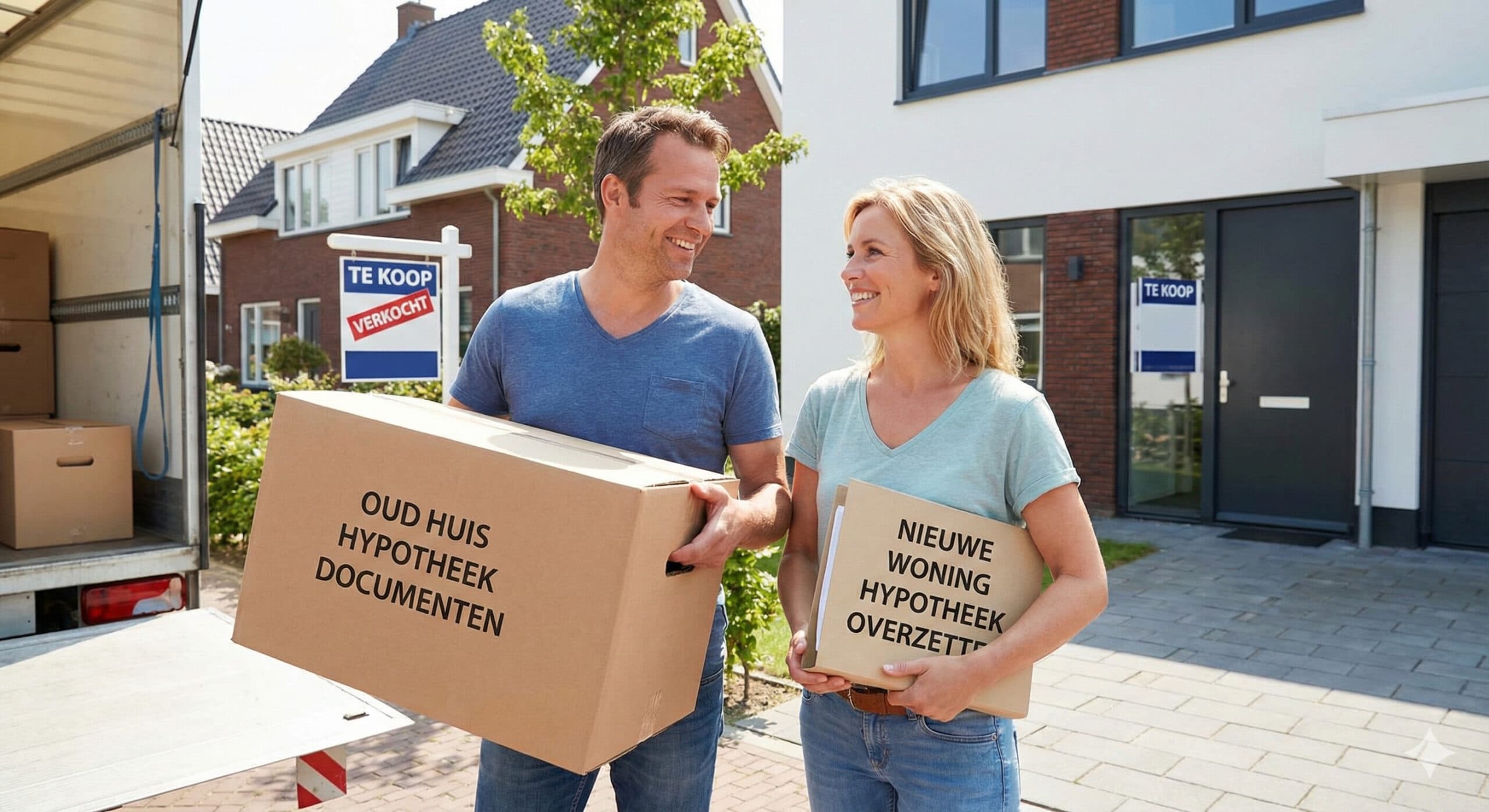
If you are moving house and your current loan carries a rate you would rather keep, you can in many cases move the mortgage itself to the new property instead of taking out a new one. In Belgium this is called a collateral swap, a pandwissel in Dutch. The loan stays as it is, and the security moves from the old house to the new one. Porting your mortgage, as it is usually called, therefore moves the security and not the loan.
How a collateral swap works
A collateral swap always goes through a notary. The mortgage registration on your old property is released and the new property is attached to the same loan. Your bank keeps security at every moment, which is precisely the condition on which it agrees.
Three steps make up the procedure. First you ask your bank in writing whether it allows a swap in your file, because not every bank offers it as standard. Then the notary prepares the deed that moves the registration. Finally the old property is sold and the new registration takes effect, with the same amount, the same term and the same rate as before.
One condition people miss: it only works with your own bank
A collateral swap keeps your existing loan alive, so it is only possible with the lender that granted it. If you want to move to another bank, you are taking out a new loan, with a new application, a new registration and new costs.
The bank also looks at the file again, even if the loan does not change. It checks that the new property is worth at least the outstanding amount, that your income still covers the repayments and that you have no arrears. A move to a more valuable property makes the answer easier.
✦ 100% free & No obligation
Sell your property with the best agent
Compare the top 3 agents in your region for free and save on commission.
Compare agents →What it costs, and what it saves
You pay the notary for the deed, an administrative fee to the bank and the cost of the new registration in the mortgage register. Taken together, in Belgium that comes to roughly six hundred to thirteen hundred euro, depending on the amounts and the notary's tariff.
Set that against a new mortgage, where the registration cost is proportional to the amount borrowed and the file has to be assessed from scratch. The saving is real, but it is the rate you keep that usually matters most: a loan signed years ago at a low rate is worth holding on to.
When a swap is not possible
Several situations rule it out. You are switching banks. You need to borrow substantially more for the new property, so the loan changes rather than moves. The new property is worth less than the outstanding balance. Or your situation has changed enough that the bank no longer considers the repayments affordable.
In those cases, compare the cost of a new loan against what you lose by giving up your old rate. Sometimes a partial solution works: keep the existing loan through a swap and add a second, smaller loan for the difference.
Timing it with the sale
The swap has to line up with two deeds: the sale of the old property and the purchase of the new one. Tell your bank as soon as you have a buyer, and tell the notary at the same time, because the approval takes time and the deeds cannot wait.
If the two dates do not meet, a bridging loan fills the gap between buying and selling. Ask your bank about both routes in the same conversation, so you can see the full cost of each.
Before you commit to a new property
Ask the bank for written confirmation that a swap is possible in your file before you sign a purchase agreement. An oral yes at a counter is not a commitment, and the cost difference only becomes visible once the notary quotes the deed.
Knowing what your current home will realistically fetch is the other half of the sum. Request a free valuation of your home or compare a few agents before you fix the timing with your bank.
Frequently asked questions
Can I take my mortgage with me to a new home in Belgium?
Often yes, through a collateral swap: the mortgage registration moves from the old property to the new one and the loan stays as it is, with the same amount, term and rate. It goes through a notary and needs your bank's approval.
Does a collateral swap work with a different bank?
No. The swap keeps your existing loan alive, so it only works with the lender that granted it. Moving to another bank means a new loan, a new application and new costs.
What does porting a mortgage cost?
The notary's deed, a bank administration fee and the new entry in the mortgage register, together roughly six hundred to thirteen hundred euro in Belgium. A new mortgage costs more because the registration is proportional to the amount borrowed.
What conditions does the bank set?
The new property has to be worth at least the outstanding balance, your income has to still cover the repayments, and you should have no arrears. A move to a more valuable property makes approval easier.
When is porting not possible?
If you switch banks, if you need to borrow substantially more, if the new property is worth less than the outstanding balance, or if your situation no longer supports the repayments. A swap plus a small second loan is sometimes the middle road.
"Tech entrepreneur and strategist focused on digital transformation in the real estate sector."