
Selling a protected monument in Flanders: what do you need to arrange as the owner?

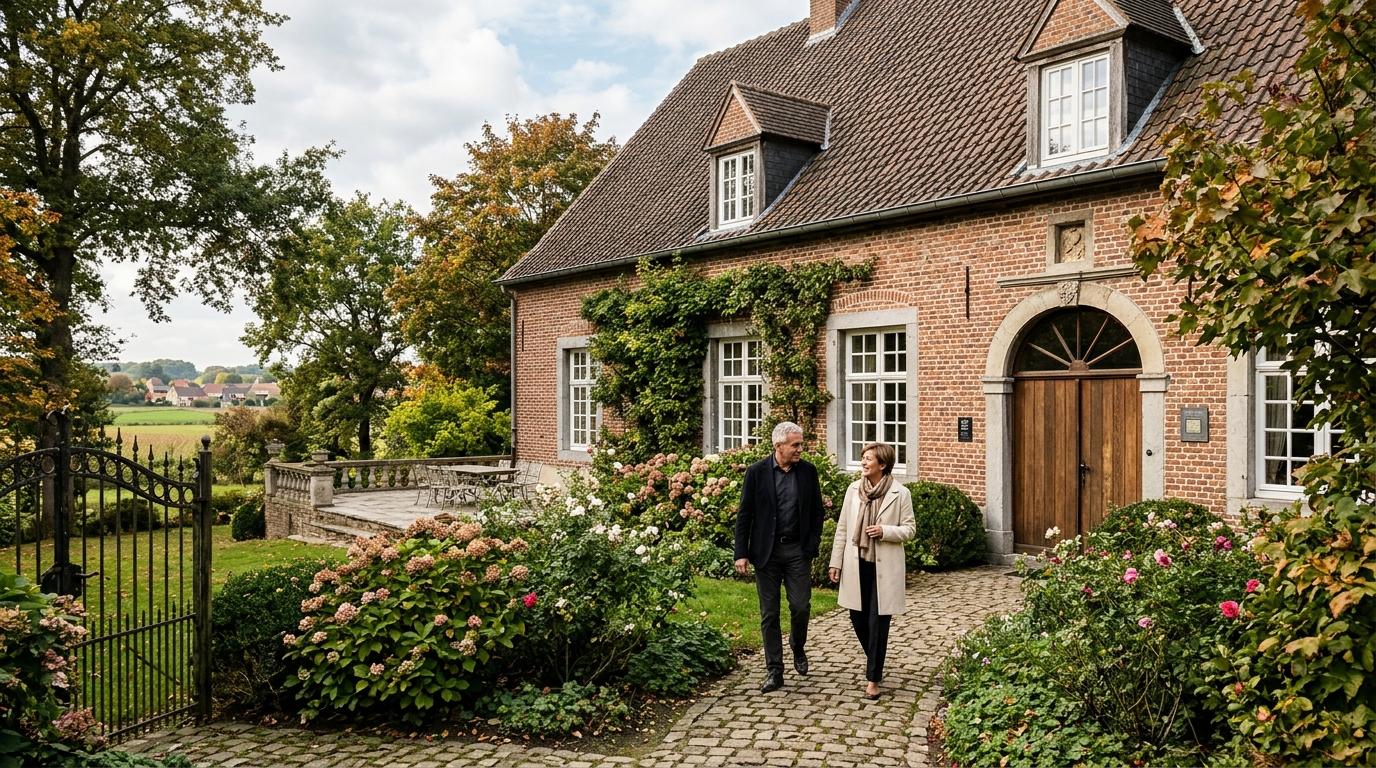
If you want to sell a protected monument, you are selling more than a home: you also pass a set of heritage obligations on to the buyer. That puts some buyers off, while others are looking for exactly that kind of property. The difference lies in how well you prepare the sale. Below you can read what information you must provide, which documents to gather and how to set a realistic price.
Protected, listed on the inventory or neither?
Start by checking the exact status of your home. In Flanders there are two levels that are often confused. A protected monument (beschermd monument) is protected by ministerial decree under the Flemish Immovable Heritage Decree. That brings real obligations: you must keep the building in good condition, and for many works you need prior consent or a permit, with advice from the Flemish heritage agency Onroerend Erfgoed.
Established architectural heritage (vastgesteld bouwkundig erfgoed) is on an established inventory. The building is not protected, but when a permit is applied for, the authorities must take its heritage value into account, especially for demolition. The rules are lighter, but a buyer who wants to demolish or carry out a major renovation does need to know.
Your home can also lie within a protected townscape or village view or a protected cultural-historical landscape without being a monument itself. In that case too, rules apply to what may change on the outside. You can find the status of your property on the geoportal and inventory pages of Onroerend Erfgoed. The planning information the notary requests also mentions it. In Wallonia this is called patrimoine classé (AWaP) and in Brussels protected heritage via urban.brussels. This article focuses on Flanders.
What information must the buyer receive?
When selling a protected property in Flanders, a duty to inform applies. The protection must be mentioned in the advertising for the sale, so also in the listing on a property website, and in the private sale agreement or compromis. The notary includes the mention in the authentic deed. If you forget it, you give the buyer an argument to challenge the sale later or claim damages.
✦ 100% free & No obligation
Sell your property with the best agent
Compare the top 3 agents in your region for free and save on commission.
Compare agents →So do not mention the protection only because you have to, but also because it protects your position. A buyer who knows in advance that the windows cannot simply be replaced with PVC cannot blame you afterwards. Ideally, provide more than the legal minimum:
- the protection decree, with the description of exactly what is protected (sometimes only the facades and roof, sometimes the interior as well);
- an approved management plan (beheersplan), if there is one, with the planned works and deadlines;
- the consents and permits for works you have already had carried out;
- the heritage grants awarded and the conditions attached to them.
For those grants, check carefully whether any conditions continue after a sale. Reread the grant decision or ask Onroerend Erfgoed before you sign a compromis.
Which documents do you need?
A protected monument is still a home, so the usual sale certificates also apply. In Flanders, think of the EPC (energy performance certificate), the asbestos certificate for homes built before 2001, the soil certificate (bodemattest), the inspection report of the electrical installation and the planning information. For old buildings the EPC label is often low. Ask the agency or your energy assessor which rules apply to your situation, because separate arrangements exist for protected heritage on some points. Do not blindly assume you are exempt from everything.
Also have the notary check whether a right of pre-emption applies to the property. This is done through the Flemish pre-emption desk (voorkooploket), as with every sale in Flanders. Such a right of pre-emption can delay the sale, so it is better to know early. You will find a full overview of the usual certificates in our article on the documents needed to sell your home.
How do you set the asking price?
This is where things often go wrong. Owners of a protected building sometimes count on a premium on top of the normal market value because the house is unique. Buyers tend to count on a discount, because they have to budget for the maintenance obligation and the restrictions on renovation. The truth is different for every property, and comparable sales are rare.
A few factors weigh heavily:
- The condition of the building. A restored monument with an approved management plan sells far more easily than a building whose roof urgently needs repair.
- The scope of the protection. If only the front facade is protected, the buyer can change more inside than with a fully protected interior.
- The grants. Heritage grants can cover part of the restoration costs. That makes the property more attractive to some buyers, provided they know how the system works.
- Tax consequences. In Flanders, protected monuments can qualify for tax benefits under certain conditions, for example around property tax (onroerende voorheffing) and inheritance or gift tax. The conditions and amounts are available from Vlabel, and they change. Let a buyer check them themselves rather than promising them as a selling point.
An algorithm on a property website rarely values a monument well. Ask for a free valuation instead and then have it checked by an estate agent who has already sold properties with heritage value.
Finding the right buyer and the right agent
The audience for a protected monument is smaller, but also more focused. They are often buyers who deliberately choose character and are willing to put time and money into a restoration. Above all they want certainty: what is allowed, what is not, and what it costs to keep the building in good condition.
An agent who knows this kind of property prepares those answers. They gather the protection decree and the management plan in advance, explain in the listing what the protection means and make sure the mention in the advertising is correct. During viewings, the agent can explain which works have already been done and which are still to come. That removes the uncertainty that would otherwise end up as a discount in an offer.
At the first meeting, ask specifically about experience: how many protected or inventoried properties has the agency already sold, and how long were they on the market? With ImmoMakelaarVergelijker.be you can compare up to 3 estate agents in your region, free and without obligation, and choose yourself who to continue with.
Frequently asked questions
Can I simply sell a protected monument?
Yes. Protection limits what you may change to the building, not who you sell it to. You must, however, mention the protection in the advertising, in the compromis and in the deed. The notary also checks whether a right of pre-emption applies to the property.
Do I have to give the buyer the management plan?
If there is an approved management plan, it is best to hand it over. The obligations and planned works in that plan go with the property. A buyer who knows the plan in advance negotiates with more certainty and has less to blame you for later.
Is a protected monument worth less?
Not automatically. A well-maintained monument can actually fetch more than a comparable ordinary house. A building with overdue maintenance and strict restrictions often sells more slowly and below the expected price. The condition of the building and the scope of the protection make a big difference.
What is the difference between protected and established heritage?
A protected monument is protected by decree and comes with a maintenance obligation and a consent requirement for works. Established architectural heritage is on an inventory and has lighter consequences, mainly for permits and demolition. Both belong in the information for the buyer.
In conclusion
Selling a protected monument takes more preparation than an ordinary sale, but it is no obstacle if you inform the buyer early and fully. Find out what status your property has, gather the protection decree, the management plan and the grant decisions, and mention the protection correctly in every listing and in the compromis. Set the price based on the actual condition and the scope of the protection, not on gut feeling. Want to know which agents in your area have experience with heritage properties? Compare up to 3 estate agents and choose for yourself.
Frequently asked questions
Do I have to mention the heritage protection when advertising my property for sale?
Yes, the protection must be mentioned in the advertising, including online listings, as well as in the private sale agreement and the authentic deed. Failing to do so gives the buyer grounds to challenge the sale or claim damages.
Which documents do I need to gather before selling a protected monument in Flanders?
You need the standard sale certificates such as the EPC, asbestos certificate, soil certificate, electrical installation report and planning information. On top of that, it is advisable to provide the protection decree, any approved management plan, previous consents and permits for works carried out, and details of any heritage grants awarded.
Will a protected monument sell for less than an ordinary home?
Not automatically. A well-maintained monument with an approved management plan can fetch more than a comparable ordinary house. A building with overdue maintenance and strict restrictions tends to sell more slowly and below the expected price.
Does a right of pre-emption apply when selling a protected monument?
It can. The notary checks this through the Flemish pre-emption desk, as with every sale in Flanders. It is better to find this out early, since such a right can delay the sale.
What is the difference between a protected monument and established architectural heritage in Flanders?
A protected monument is protected by ministerial decree and brings a maintenance obligation and a consent requirement for many works. Established architectural heritage is listed on an inventory with lighter consequences, mainly affecting permit applications and demolition decisions.
Follow us on Google
Pick Immomakelaar Vergelijker as a preferred source and you will see our articles more often in Google, including in AI answers.
Redactie ImmoMakelaarVergelijker
"We write about selling, valuing and costs in Belgium. Articles are drafted with the help of AI from official sources and checked by our team."